Business Details
21 Years
experience
Your Trusted Partner for Wildlife Conservation Solutions
Founded in 2005, African People & Wildlife has dedicated two decades to creating sustainable, win-win solutions for communities and wildlife in Tanzania. Our approach combines hands-on conservation with deep community engagement, addressing critical challenges like human-wildlife conflict, climate change resilience, and gender inequality. With expertise in landscape-scale conservation, we empower local populations through initiatives such as sustainable rangeland management, youth education, and women's economic empowerment. Recognized for our innovative strategies, we operate the Noloholo Environmental Centerthe first holistic conservation training facility in northern Tanzania. Our team of conservationists, educators, and community liaisons brings decades of combined experience in balancing ecological preservation with human development needs.Through strategic partnerships and evidence-based practices, we've restored critical habitats, protected endangered species, and strengthened local economies across six key landscapes. Our commitment to transparency and measurable outcomes ensures donor resources create lasting impact, as demonstrated by rebounding wildlife populations and improved community livelihoods. As a leader in community-driven conservation, we continue expanding our model to address emerging environmental challenges while maintaining our founding principles of collaboration, innovation, and respect for local cultures.
Services
Wildlife Conservation
Community Engagement
Landscape Restoration
Environmental Education
Climate Resilience Programs
Women's Empowerment Initiatives
Details
- Year established: 2005
Highlights and features
- We have 18 years of proven success in community-driven conservation
- Our team includes experts in wildlife biology and community engagement
- We operate Africa's first holistic conservation training center
- We've restored 3M+ acres of critical wildlife habitat
- Our programs empower women and youth through economic opportunities
What people say
Effective conservation programs
Strong community engagement
Measurable environmental impact
Innovative approaches
Transparent operations
Services
Wildlife Conservation
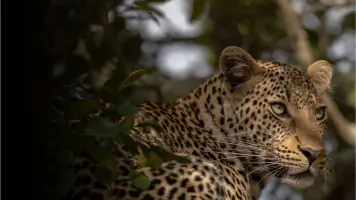
Our wildlife conservation programs protect endangered species through habitat restoration and human-wildlife conflict mitigation. We employ community rangers and implement science-based strategies to safeguard lions, elephants, and other iconic species across six critical Tanzanian landscapes. Our approach combines traditional knowledge with modern technology to create sustainable coexistence solutions.
Community Engagement
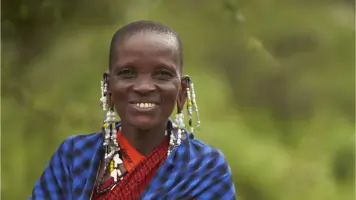
We develop community-led conservation initiatives that empower local populations through education and economic opportunities. Our ACTIVE Community Engagement model fosters collaboration between conservationists and residents to create mutually beneficial solutions. Programs include youth education, women's beekeeping cooperatives, and sustainable livelihood training that strengthens both communities and ecosystems.
Landscape Restoration
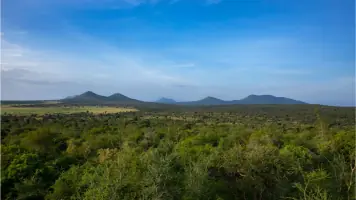
Our landscape restoration initiatives focus on rehabilitating critical habitats through sustainable rangeland management and reforestation. We work with local communities to implement climate-resilient land use practices that benefit both people and wildlife. These efforts have successfully restored over 3 million acres of vital ecosystems in northern Tanzania.
Environmental Education
The Noloholo Environmental Center provides specialized training for conservation professionals and community leaders. Our programs cover wildlife management, sustainable agriculture, and climate adaptation strategies. This education hub develops the next generation of conservation leaders while supporting ongoing professional development for field practitioners.
Climate Resilience
We implement climate-smart conservation strategies that help communities adapt to environmental changes while protecting biodiversity. Our programs integrate traditional ecological knowledge with scientific research to develop sustainable solutions. Initiatives include drought-resistant agriculture training and ecosystem-based approaches to climate change mitigation in vulnerable regions.
People
Dr. Laly Lichtenfeld
Co-Founder
Dr. Laly Lichtenfeld co-founded African People & Wildlife in 2005 after conducting extensive research on human-wildlife coexistence in Tanzania. With a PhD in Conservation Biology, she has over 20 years of experience developing community-based conservation programs that balance ecological protection with local development needs.
Charles Trout
Co-Founder
Charles Trout co-founded African People & Wildlife with Dr. Laly Lichtenfeld. As Chief Program Officer, he oversees conservation strategy implementation across Tanzania's key landscapes. With decades of field experience, he specializes in community engagement and has expanded the organization's impact through strategic partnerships and innovative program development.
Questions
What is African People & Wildlife's primary mission?
We protect African wildlife and empower local communities through sustainable conservation solutions that create lasting coexistence between people and nature.
Where does your organization operate?
We work primarily in Tanzania across six critical landscapes, with expanding programs in neighboring East African regions.
How can I support your conservation efforts?
You can donate directly through our website, become a monthly Wild Champion, or participate in our conservation safaris that support local communities.
What conservation methods do you use?
We combine community engagement, scientific research, and traditional knowledge to develop sustainable solutions for wildlife protection and ecosystem restoration.
How do you involve local communities?
We implement community-led programs like youth education, women's cooperatives, and ranger training to ensure conservation benefits both wildlife and local populations.
What is the Noloholo Environmental Center?
It's our conservation training facility in Tanzania, the first of its kind in the region, providing education and professional development for conservation leaders.
Videos