Business Details
Emergency
services
Your Partner Against Industrial Livestock Operations
For over two decades, our organization has served as a mobilizing force for communities confronting industrial livestock operations. Our team comprises technical experts, independent family farmers, and rural residents with firsthand experience battling factory farm threats. We provide free support to empower communities with knowledge and skills to protect clean water, air, and soil while advocating for regenerative agricultural practices. Through education, advocacy, and organizing, we collaborate with communities to safeguard public health, environmental quality, and local economies from industrial livestock production's damaging impacts.Our vision is to replace industrial livestock systems with ecologically sound, socially equitable, and economically viable animal agriculture that rebuilds topsoil, reduces pollution, and strengthens rural communities. We prioritize diversity, equity, and inclusion in serving communities facing social and economic injustices, leveraging varied perspectives to challenge factory farm abuses while promoting a socially responsible food future.
Services
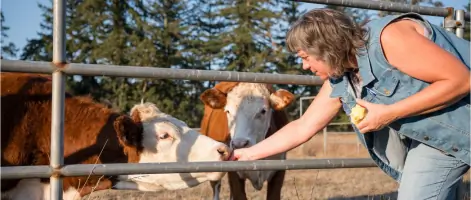
Community Support
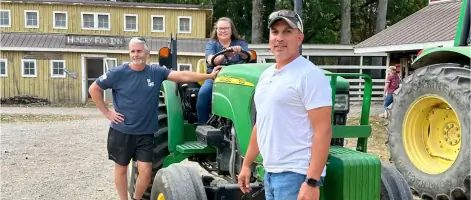
Contract Grower Transition
Water Rangers Training
Environmental Advocacy
Water Monitoring
Highlights and features
- We offer over 20 years of experience in community advocacy against industrial livestock operations
- Our team includes technical experts and former contract growers with practical insights
- We provide free tools and resources for environmental protection and regulatory compliance
- We advocate for regenerative agricultural practices benefiting ecosystems and rural economies
- We support transition programs for contract growers seeking sustainable alternatives
Services
Community Support
We provide free tools, resources, and expert guidance to communities threatened by industrial livestock operations. Our support includes regulatory education, coalition building, and strategic planning to protect local environments and economies. Our team helps residents navigate complex permitting processes and develop effective advocacy strategies.
Contract Grower Transition
This program assists contract growers in transitioning away from corporate-controlled livestock systems. We offer business planning resources, market access guidance, and connections to sustainable agricultural networks. Our goal is to create economically viable alternatives that benefit both farmers and rural communities.
Water Rangers Training
Our training program equips citizens with skills to test and monitor water quality impacts from industrial livestock operations. Participants learn field sampling techniques, data interpretation, and reporting procedures to document environmental violations and protect local waterways from contamination.
Environmental Advocacy
We work with communities to challenge harmful agricultural policies and promote regulatory reforms. Our advocacy focuses on strengthening environmental protections, improving waste management standards, and advancing legislation that prioritizes public health over corporate interests in industrial livestock production.
Water Monitoring
This service provides technical support for detecting and documenting water pollution from factory farms. We train community members in scientific testing methods, help interpret results, and assist with reporting environmental violations to regulatory agencies to ensure accountability.
People
Tom Driscoll
Communications Director
Tom Driscoll leads communications efforts, connecting media and stakeholders with SRAP's mission. With extensive experience in environmental advocacy, he amplifies community voices against industrial livestock operations while promoting sustainable agricultural solutions through strategic outreach and public engagement.
Lisa Anderson
Community Advocate
Lisa Anderson champions neighborly values in Wisconsin communities facing factory farm threats. Drawing from local experience, she helps residents protect their quality of life through grassroots organizing and environmental stewardship, demonstrating practical applications of SRAP's community support programs.
Questions
How can communities get help fighting factory farms?
Contact our toll-free hotline or website form to access free assistance with regulatory compliance, community organizing, and environmental monitoring.
What services does SRAP provide?
We offer community organizing support, CAFO permitting guidance, water monitoring training, legislative advocacy, and connections to state/national resources.
Are donations to SRAP tax-deductible?
Yes, all donations are tax-deductible and directly support our mission to help communities combat industrial livestock operations.
How does industrial livestock production affect water quality?
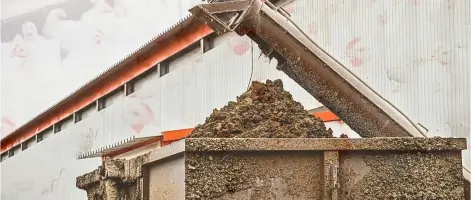
CAFOs generate massive waste volumes stored in lagoons, often contaminating groundwater and surface waters with nitrogen, pathogens, and heavy metals.
What alternatives exist to factory farming?
Our transition program promotes pasture-based systems that rebuild soil health, reduce pollution, and create economically viable opportunities for family farmers.