Business Details
23 Years
experience
Empowering Communities Through Acupuncture Training
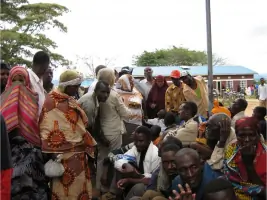
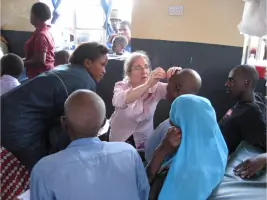
Founded in 2003, the Panafrican Acupuncture Project (GAP) is a nonprofit organization dedicated to empowering communities through accessible acupuncture training. Our mission began with a two-week program in Uganda, where we trained local healthcare providers to address symptoms of HIV/AIDS, malaria, and tuberculosis. Over two decades, we have expanded our reach to Mexico and developed a comprehensive manual that standardizes acupuncture protocols for common health conditions. Our approach focuses on training midwives, physiotherapists, and doctors to integrate acupuncture into existing healthcare systems, ensuring sustainable care. We maintain ongoing support through follow-up visits and digital communication, fostering long-term integration of acupuncture practices. With over 350 providers trained in Uganda and Mexico, our team of volunteer acupuncturists continues to prioritize community-driven solutions.We collaborate with local governments and organizations to tailor trainings to regional healthcare needs, emphasizing practical, dose-dependent treatments. Our work has demonstrated measurable improvements in patient outcomes, including pain reduction and enhanced quality of life. As a 501(c)(3) organization, we rely on donations and volunteer efforts to expand our impact. Our model prioritizes cultural sensitivity, avoiding colonial dynamics by empowering local practitioners as primary caregivers. Through strategic partnerships and evidence-based protocols, we remain committed to alleviating suffering and promoting holistic health solutions.
Services
Acupuncture Training Programs
Manual Development
Ongoing Practitioner Support
Healthcare System Integration
Disaster Relief Acupuncture
Details
- Year established: 2003
Highlights and features
- We train 350+ local healthcare providers in Uganda and Mexico to deliver sustainable acupuncture care.
- Our standardized manual simplifies complex acupuncture protocols for HIV/AIDS, malaria, and chronic pain management.
- We maintain ongoing support through follow-up visits and digital communication with trained practitioners.
- Our model prioritizes community-driven healthcare integration over short-term volunteer interventions.
- We collaborate with ministries of health to ensure acupuncture adoption within public healthcare systems.
What people say
Profound treatment responses
Empowering training model
Sustainable care delivery
Trauma recovery success
Government partnerships
Services
Acupuncture Training Programs
We train local healthcare providers in Uganda and Mexico to use standardized acupuncture protocols for managing chronic illness symptoms. Our programs combine didactic learning with hands-on supervision, ensuring practitioners can immediately apply techniques in clinical settings. Graduates become certified Acupuncture Protocol Specialists, integrating treatments into existing healthcare facilities.
Manual Development
Our comprehensive manual explains acupuncture theory and techniques tailored for HIV/AIDS, malaria, and tuberculosis symptom management. It serves as both a training tool and reference guide, enabling sustainable practice through clear, step-by-step protocols that local providers can implement independently after training.
Ongoing Practitioner Support
We provide continuous support through follow-up visits and digital communication channels. This includes troubleshooting treatment challenges, refining techniques, and addressing integration barriers within public healthcare systems. Our support network ensures long-term success for certified practitioners in remote and underserved regions.
Healthcare System Integration
We collaborate with ministries of health and local organizations to embed acupuncture into public healthcare infrastructure. This involves policy advocacy, facility coordination, and demonstrating treatment efficacy through patient outcome tracking. Our goal is to make acupuncture a permanent component of regional healthcare delivery systems.
Disaster Relief Acupuncture
Our teams deploy to disaster-affected areas, providing acupuncture for trauma recovery and stress-related conditions. We train local responders in emergency acupuncture protocols, ensuring sustained mental health support post-crisis. This approach addresses both immediate psychological needs and long-term community healing requirements.
People
Richard Mandell
Executive Director
Licensed acupuncturist with 20+ years of experience in global health initiatives. Leads strategic direction for GAP's training programs and international partnerships.
Patience Kinahirwe
Uganda Coordinator
In-country coordinator managing Uganda operations since 2003. Facilitates government partnerships and oversees practitioner certification programs.
Gandhi Ramos
Mexico Coordinator
Coordinates Mexican training initiatives since 2013. Specializes in integrating acupuncture with indigenous healthcare practices in southern Mexico.
Questions
How does GAP select countries for acupuncture training programs?
We prioritize regions with high disease burden and limited access to pain management. Current programs in Uganda and Mexico expanded based on government invitations and demonstrated success.
What qualifications do trainees receive after completing GAP programs?
Participants become certified Acupuncture Protocol Specialists, qualified to integrate acupuncture into their existing healthcare roles within public facilities.
How does GAP ensure long-term success of trained practitioners?
Through follow-up visits, digital support networks, and collaboration with local health ministries to institutionalize acupuncture practices.
Can international acupuncturists volunteer with GAP?
Yes, we accept licensed acupuncturists and accredited students for 1-2 week training missions. Volunteers receive pre-departure preparation and work with experienced teams.
How are acupuncture treatments adapted for different cultural contexts?
Our manual incorporates culturally relevant case studies, and local coordinators tailor training examples to regional health challenges and traditional practices.