
Business Details
Leading Medical Research in Neural Engineering and FES Solutions
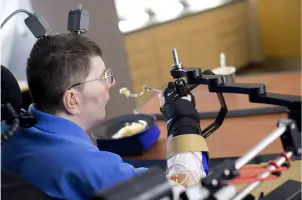
The Cleveland FES Center stands at the forefront of neural engineering and functional electrical stimulation (FES) research. Our mission is to restore mobility and improve the quality of life for individuals with neurological impairments through innovative technology and collaborative research. Founded through a partnership of five nationally recognized institutionsLouis Stokes Cleveland VA Medical Center, MetroHealth Medical Center, Case Western Reserve University, University Hospitals of Cleveland, and the Cleveland Clinic Neurological Institutewe combine multidisciplinary expertise in biomedical research, engineering, and clinical practice. With decades of experience, our team pioneers advancements in FES systems, including implantable electrodes and neuroprosthetics, addressing conditions such as spinal cord injury, stroke, Parkinsons disease, and amputation.Our work spans from fundamental studies to clinical trials, ensuring scientific rigor and practical application. We prioritize patient-centered outcomes, evidenced by testimonials highlighting restored independence and transformative impacts on daily life. As a leader in neuromodulation, we adhere to the highest ethical standards, maintaining transparency in our research and fostering trust through peer-reviewed publications and community engagement. Our commitment to education and training ensures the next generation of researchers continues to push the boundaries of medical science.
Services
Spinal Cord Injury Research
Stroke Rehabilitation
Neuroprosthetic Development
Parkinsons Disease Treatment
Bladder and Bowel Function Restoration
Cerebral Palsy Interventions
Traumatic Brain Injury Therapy
Amputation and Prosthetics Research
Deep Brain Stimulation
Clinical Trial Participation
Highlights and features
- We are a consortium of five leading medical institutions driving FES innovation.
- Over 30 years of pioneering research in functional electrical stimulation technology.
- Patient testimonials highlight life-changing outcomes in independence and mobility.
- Our clinical trials are registered on clinicaltrials.gov for transparency and rigor.
- Multidisciplinary team combines engineering, neuroscience, and clinical expertise.
What people say
Restored independence
Life-changing technology
Improved mobility
Supportive research team
Transformative outcomes
Services
Spinal Cord Injury Research
Our spinal cord injury research focuses on restoring motor function through implantable neuroprosthetics and functional electrical stimulation (FES). By targeting neural pathways, we enable patients to regain control over limb movements and improve daily independence. This work combines advanced electrode design with clinical trials to ensure safe, effective outcomes for individuals with tetraplegia and paraplegia.
Stroke Rehabilitation
We develop brain stimulation techniques and motor control therapies to aid stroke survivors in regaining upper and lower limb functionality. Our programs emphasize gait stability and sensory restoration, leveraging FES to retrain neural circuits. Clinical studies demonstrate improved mobility and reduced dependency, offering hope for long-term recovery beyond traditional rehabilitation windows.
Neuroprosthetic Development
Our neuroprosthetic systems restore proprioception and motor control for amputees, integrating sensory feedback with advanced prosthetic devices. Research focuses on user experience and seamless neural integration, ensuring prosthetics feel and function like natural limbs. This technology transforms quality of life for individuals missing upper or lower extremities.
Parkinsons Disease Treatment
We investigate deep brain stimulation (DBS) and exercise-based interventions to alleviate Parkinsons symptoms, including gait disorders and tremors. Our studies explore long-term neural plasticity changes, aiming to slow disease progression while improving motor coordination and daily functioning for patients.
Clinical Trial Participation
We conduct FDA-regulated clinical trials for FES applications, from spinal cord injury to urological health. Participants gain access to cutting-edge therapies while contributing to medical advancements. Trials follow strict ethical guidelines, ensuring safety and transparency in developing new treatment protocols for neurological conditions.
Questions
What is the Cleveland FES Center's primary focus?
We specialize in functional electrical stimulation (FES) research to restore mobility and treat neurological conditions like spinal cord injury, stroke, and Parkinson’s disease.
What institutions partner with the FES Center?
Our consortium includes Louis Stokes Cleveland VA Medical Center, MetroHealth Medical Center, Case Western Reserve University, University Hospitals of Cleveland, and the Cleveland Clinic Neurological Institute.
Are your treatments available to the public?
Our research translates into clinical applications through partnerships with healthcare providers, ensuring patients access innovative FES therapies as they become FDA-approved.
How does FES technology work?
FES uses electrical pulses to activate damaged neural pathways, enabling the brain to communicate with muscles and restore functions like grasping, walking, or bladder control.
Videos